


• Skip to primary navigation
  • Skip to main content
  • Skip to primary sidebar
A Grateful Meal
  • About
    • Contact Me
  • Nutrition Coaching
  • Blog
    • Instagram
    • Pinterest
    • TikTok
    • Facebook
    • YouTube
menu icon
go to homepage
  • All Recipes
  • About
  • Subscribe
  • Contact Me
    • Instagram
    • Pinterest
    • TikTok
    • Facebook
    • YouTube
  • search icon
    Homepage link
    • All Recipes
    • About
    • Subscribe
    • Contact Me
    • Instagram
    • Pinterest
    • TikTok
    • Facebook
    • YouTube
  • ×
    Home » Food and Beverage Guides

    Aperitif vs. Digestif Guide – Learn the Differences

    Published: Mar 13, 2024 · Modified: Mar 20, 2025 by Melissa · This post contains links that pay me a small commission at no extra cost to you.

    Pinterest image of various liqueur bottles with the words "Aperitifs vs Digestifs Learn the difference" in text overlay.
    Pinterest image of various liqueur bottles with the words "Aperitifs vs Digestifs What's the difference" in text overlay.
    Pinterest image of various liqueur bottles with the words "Aperitifs vs Digestifs" in text overlay.
    Pinterest image of various liqueur bottles with the words "Aperitifs vs Digestifs Learn the difference" in text overlay.

    Unless you’ve been living under a rock, chances are you might be curious about aperitif and digestif liqueurs a time or two in the cocktail world. To understand the difference between an aperitif vs. digestif, let’s dive into the details of these traditional concoctions.

    Bottles of Lillet Blanc, Italicus, Campari, Green Chartreuse, and Limoncello on a white surface.
    Jump to:
    • What is the Difference Between an Aperitif and a Digestif?
    • What is an Aperitif?
    • What is a Digestif?
    • History and Origins
    • Alcohol Content
    • How to Serve Aperitifs and Digestifs
    • Aperitif Cocktails
    • Digestif Cocktails
    • Summary (TLDR)
    • FAQ
    • More Food and Beverage Guides
    • 💬 Reviews

    What is the Difference Between an Aperitif and a Digestif?

    Aperitifs and digestifs are standard practice and often ritualistic in many European countries, meant to be consumed before or after a meal to stimulate the appetite or settle the stomach.

    Italy and France, for example, honor the practice of before and after dinner drinks at most big meals and encourage the idea of mealtime as an experience meant to be savored as a whole. An aperitif or digestif can either consist of several ingredients, making up a cocktail, or can be neat pours of a liqueur or spirit.

    What is an Aperitif?

    An aperitif is a before-dinner drink intended to prepare the stomach for a large and often-times-rich meal. Aperitif origins come from the Italian word “Aperitivo,” meaning “appetizer,” and the Latin word “aperire,” which implies “to open.”

    Typically on the drier side, but sometimes with sweet elements, examples of an aperitif are a martini, champagne, or even a spritz. It is commonly expected to have light hors d’oeuvres along with your aperitif before sitting down for the main event, similar to the American concept of a happy hour. 

    What is a Digestif?

    Digestifs are typically considered digestive aids, intended to be consumed after a hearty meal to settle a full stomach and digestive system. Digestifs typically fall under the profile of being bitter, herbal liqueurs, or even sweet liqueurs and dessert cocktails.

    Compared to aperitifs, the digestif category usually has a higher alcohol content and is often served neat, but can also be mixed with other ingredients to create a cocktail.

    History and Origins

    Undoubtedly, the origin of aperitifs and digestifs lies in European cultures. There’s no way to know precisely who first devised the idea of using spirits having medicinal value to stimulate the appetite and settle the stomach, but it could date as far back as Hippocrates in the 5th century BC. The Greek doctor was known to prescribe white wine with flowers as an appetite stimulant.

    Most likely, the practice became famous in 19th century Italy, when cafes popularized the pre-meal drink ritual. In France, around the same time, alchemist Joseph Dubonnet is credited with inventing a quinine-based concoction to fight malaria. To mask the quinine-rich flavor, herbs, and spices were added to the drink, and Dubonnet’s wife liked it so much she shared the secret of the mixture with others.

    As for digestifs, herbs were a common technique for aiding digestion and soothing the stomach prescribed by pharmacies and apothecaries, and they eventually found their place on the table around the 18th century. While these remedies started as medicinal, they evolved into spirits that tasted more pleasant and brought on a nice after-dinner buzz that prolonged the meal’s experience and helped to ease a full belly.

    Alcohol Content

    As I already mentioned, when it comes to an aperitif vs. digestif, aperitifs typically have a lower ABV %, or alcohol content, than digestifs. While an aperitif will commonly have between 15 and 30% alcohol, you will find anywhere from 30 to 50% alcohol or more in a digestif.

    Since aperitifs are intended as a hunger stimulant, the idea is to avoid overwhelming your palate and, most importantly, getting too buzzed before dinner. Despite this, there is still a good range of flavors and alcohol percentages for every palate. For example, a Negroni, an aperitif cocktail famous in Italy, made of gin, sweet vermouth, and Campari, is around 24% ABV. The Campari in the Negroni gives this cocktail strong bitter notes, believed to “whet the appetite” while providing a flavorful libation.

    A lighter option than that would be a glass of dry white wine like a Burgundy from France, closer to 12-13% ABV. While these drinks are wildly different in flavor profiles, they are both considered aperitifs and satisfy different preferences. 

    Contrastingly, enjoying a three-ounce pour of Cognac from France or sweet sherry from Spain as a digestif would be around 40% alcohol. Limoncello, another sweet digestif, is an Italian specialty that infuses vodka, lemon peels, and simple syrup and is about 25-30% ABV. Digestifs are also commonly served at room temperature, whereas aperitifs are often over ice or chilled.

    How to Serve Aperitifs and Digestifs

    Now that you better understand the difference between an aperitif vs. digestif, let’s explore when and how you can prepare both of them and enjoy the European experience of before and after-dinner drinks. The main distinguishment between aperitifs and digestifs is when you serve them!

    Sip on an aperitif at the beginning of the meal, often accompanied by some hors d’oeuvres, and digestifs after a meal, sometimes before or after a coffee and dessert.

    Typical aperitifs range from a glass of champagne or red wine to a Campari with soda water or classic martinis with dry vermouth. An Aperol Spritz containing the aforementioned botanical liqueur, champagne, and seltzer garnished with an orange slice and sometimes a green olive is an excellent example of a well-loved classic aperitif.

    To enhance the savory pre-dinner aperitif drinks experience, savory snacks such as charcuterie, nuts, hard cheese, olives, and bread make great pairings and prevent drinking on an empty stomach. Briny bites such as raw oysters or clams are an elegant option for a classy soiree where you may serve bubbly as an aperitif.

    In contrast, digestifs can be herbaceous, bitter, or sweet. Since digestifs typically have a high alcohol content, they are commonly served in small amounts “neatly” – or without any ice or additional ingredients.

    Some examples of digestifs are grappa, an Italian spirit made from the leftover grapes, skins, and stems from winemaking, or Fernet Branca, an Italian bitter liqueur with herbaceous notes. While both can be enjoyed independently, you may also see them mixed with espresso. If coffee is served before digestifs, this is often called pousse-cafe in Italy.

    With so many options for different palates, there is no shortage of aperitifs and digestifs for you to enjoy with good company and a great meal!

    Aperitif Cocktails
    1
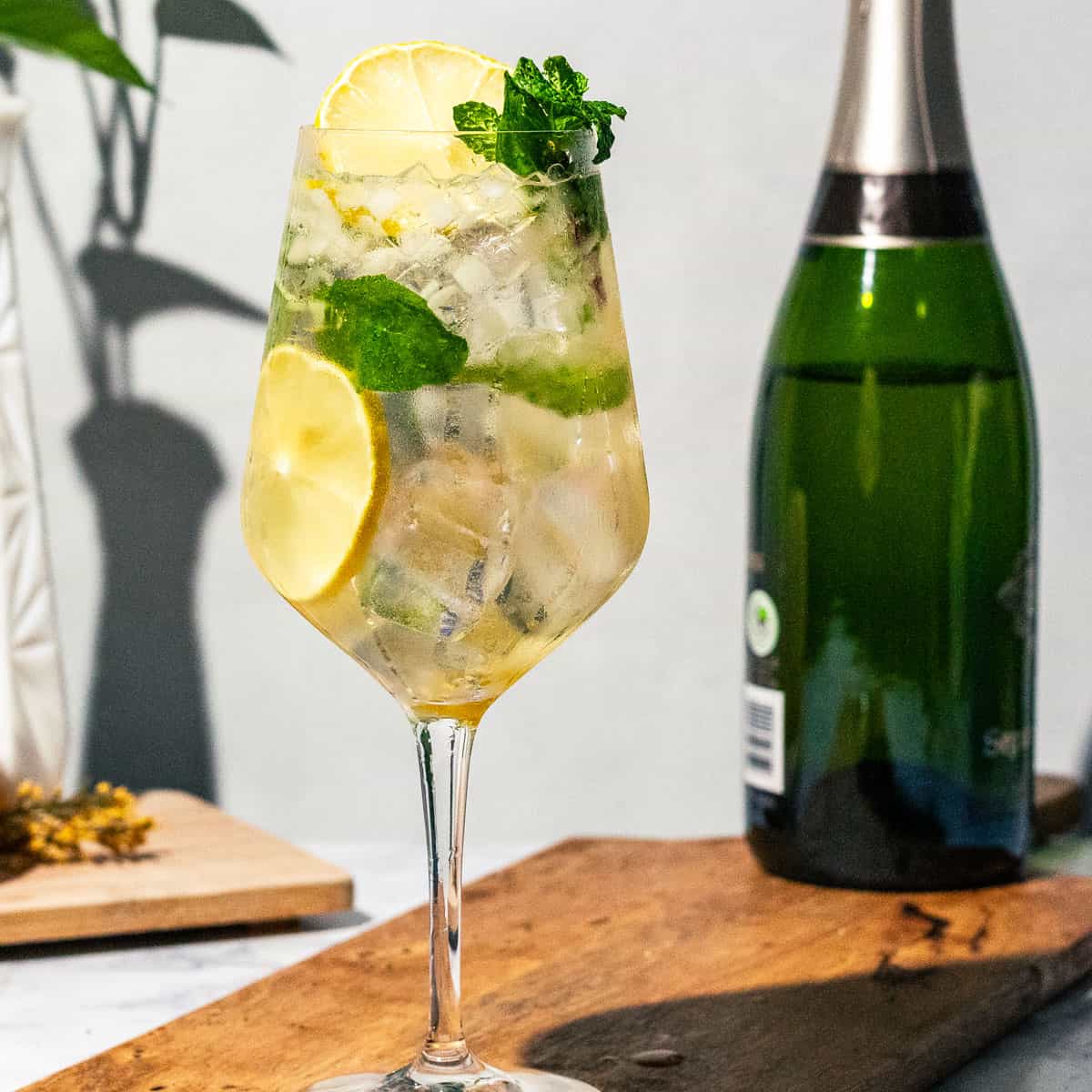
    Spritz on a wood cutting board with a prosecco bottle in the background.
    Hugo Spritz
    This Hugo Spritz is a classic Italian aperitif that can be found all over Italy. Made with mint that's been muddled in elderflower liqueur (such as St. Germain) and topped with bubbly prosecco, it's a light and refreshing drink to kick off your meal. 
    Get the recipe
    2
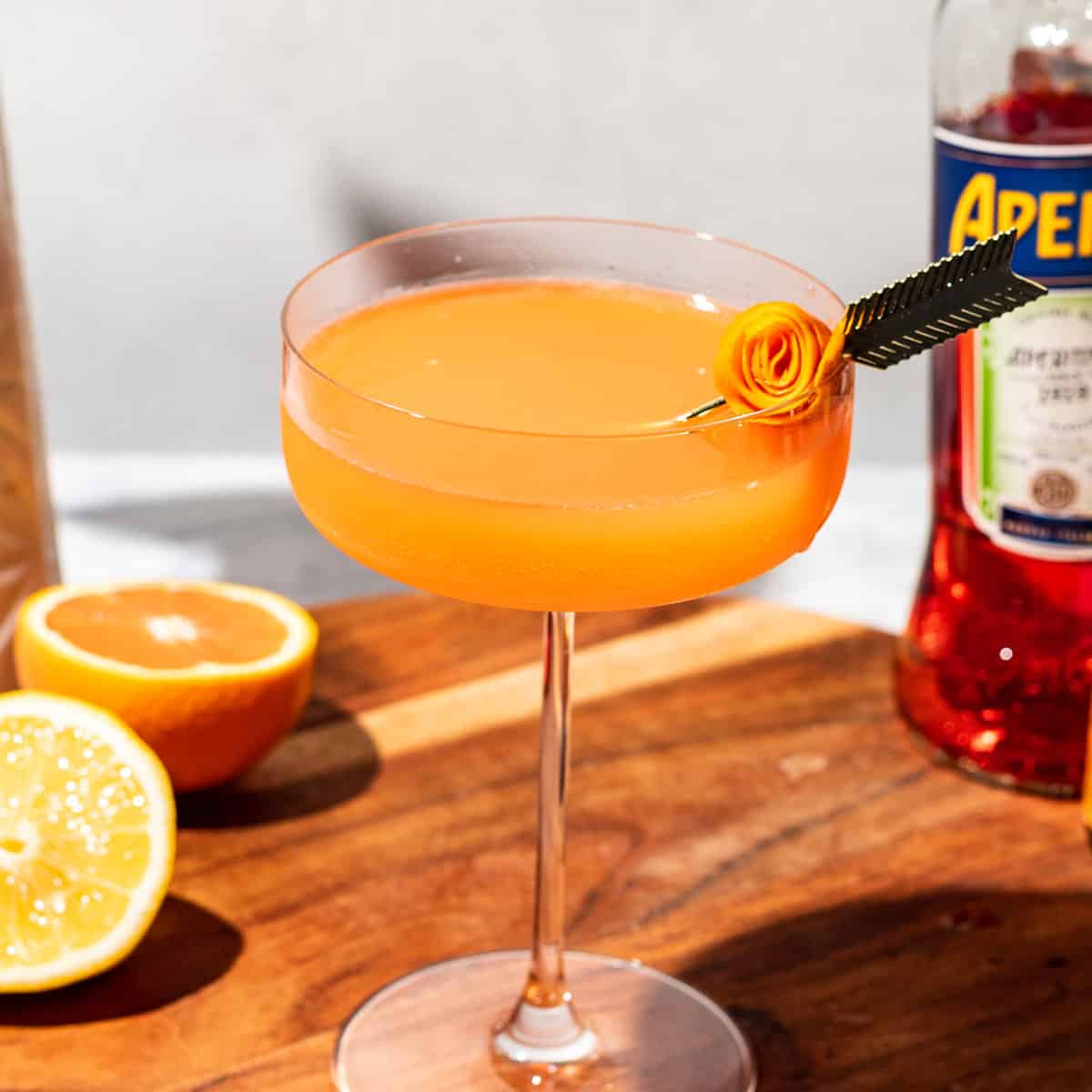
    Martini with a rolled orange garnish on a wood surface.
    Aperol Martini
    Aperol Spritz cocktails and martinis are great aperitif cocktails. And, when you combine the Aperol's bitter-sweet taste and smooth vodka, you get this delicious Aperol Vodka Martini.
    Get the recipe
    3
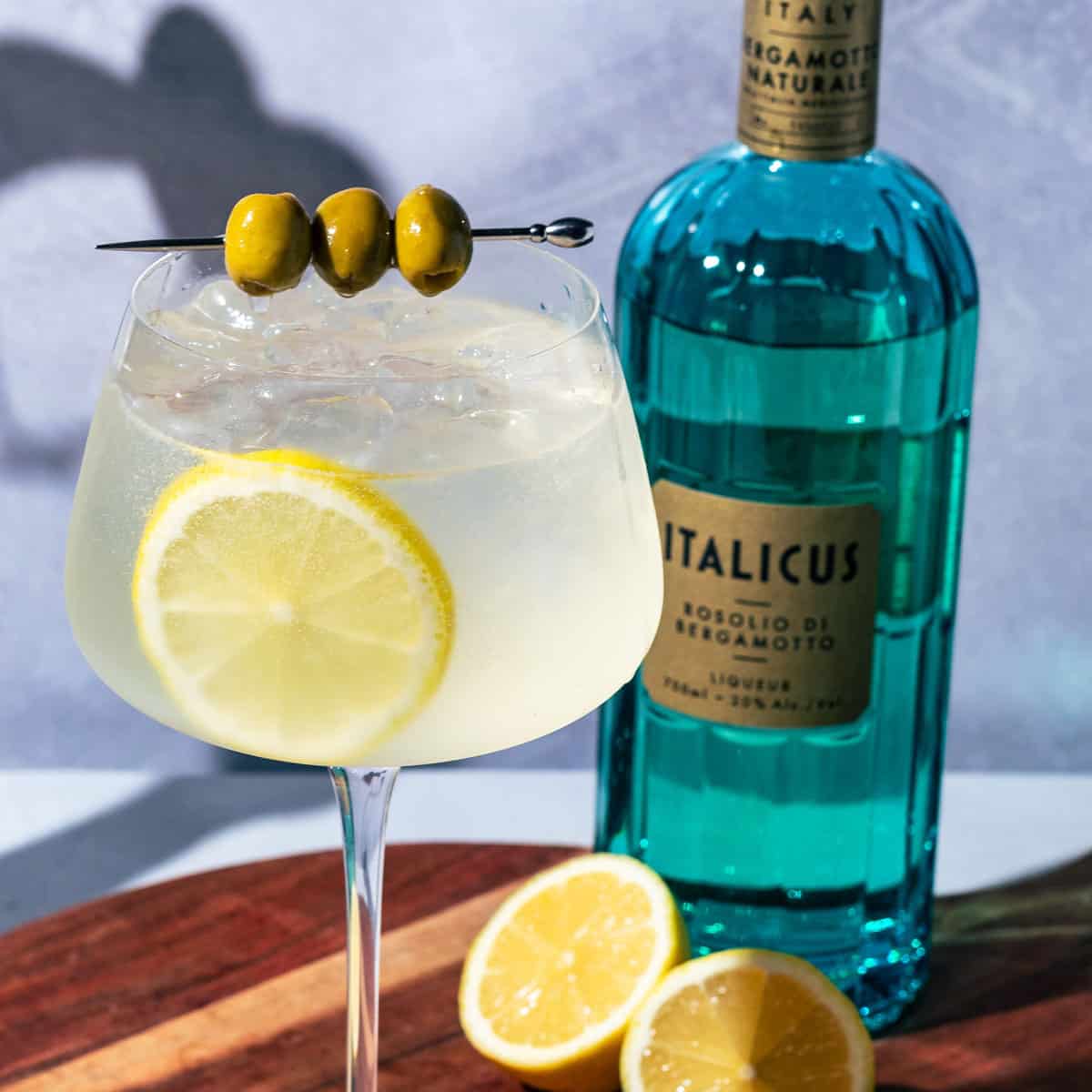
    Italicus spritz on a wood surface with the bottle and lemon halves in the background.
    Italicus Spritz
    Italicus is a new variation of a rosolio, which is an old category of Italian spirits that were once very popular amongst the aristocracy of Italy. Its floral, herbal, and citrus notes make for a delicious pre-dinner spritz when combined with prosecco.
    Get the recipe
    4
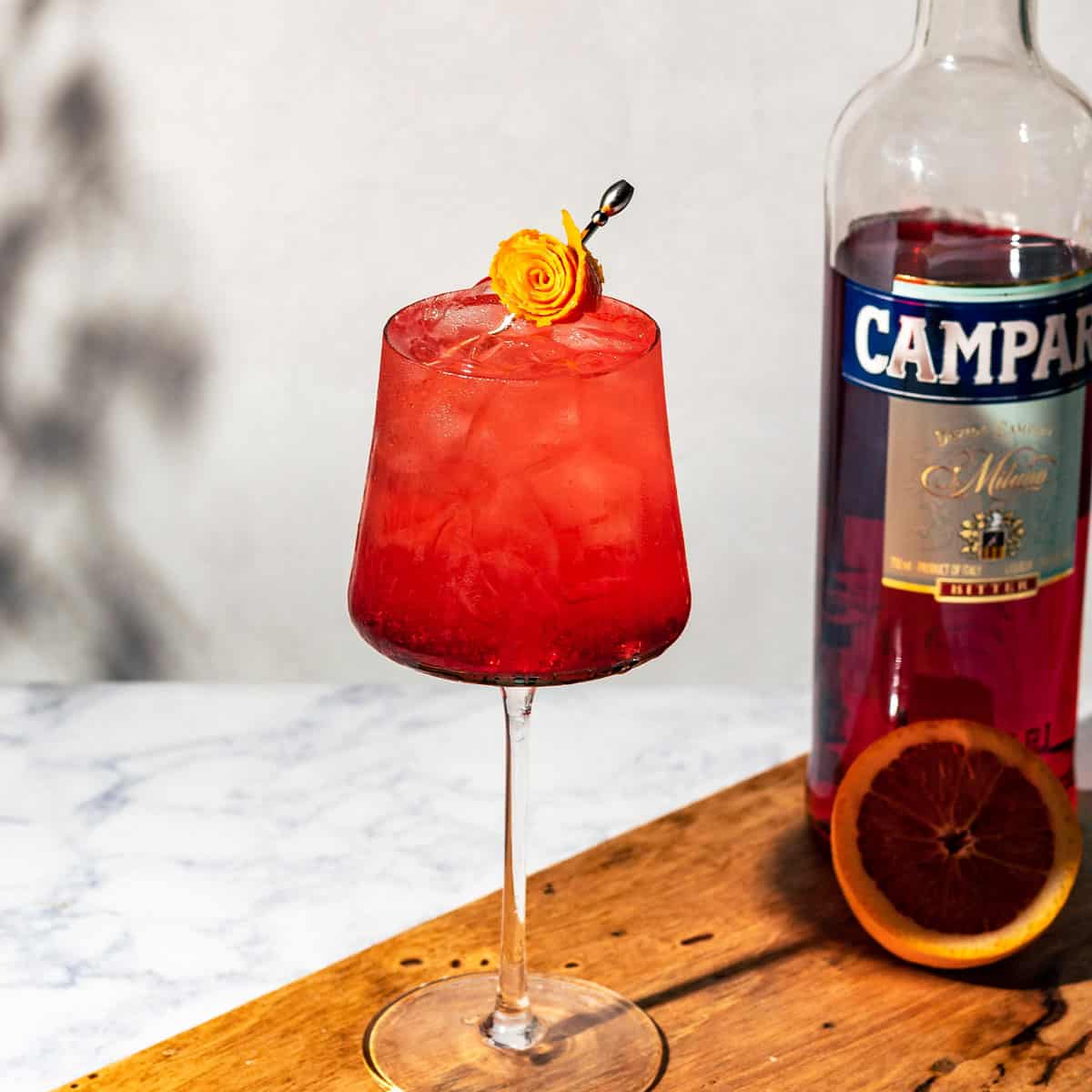
    Campari tonic on a wood surface with a bottle of Campari and orange half in the background.
    Campari Tonic
    Campari, like Aperol, is a classic aperitif liqueur. When mixed with some tonic water for additional botanical notes, it is light and refreshing and still has an elevated and complex flavor profile. 
    Get the recipe

    Digestif Cocktails

    5
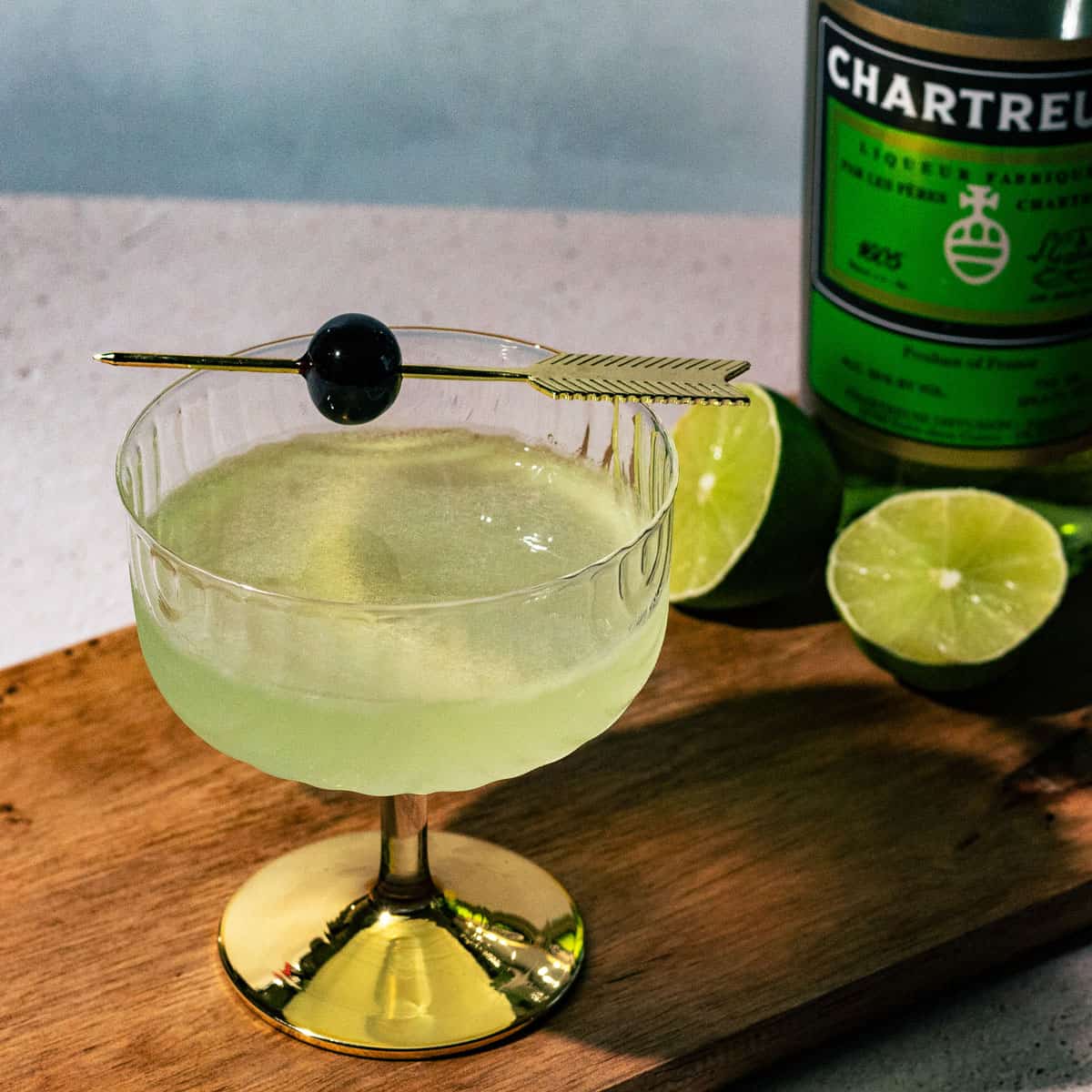
    The Last Word cocktail on a wood surface with a bottle of green Chartreuse in the background.
    The Last Word
    This classic cocktail dates back to prohibition. Its main ingredient is Green Chartreuse, which is a very intensely herbal-flavored French digestif that has been made for centuries by French monks. This cocktail recipe rounds those flavors out with zesty lime, maraschino liqueur, and botanical gin. 
    Get the recipe
    6
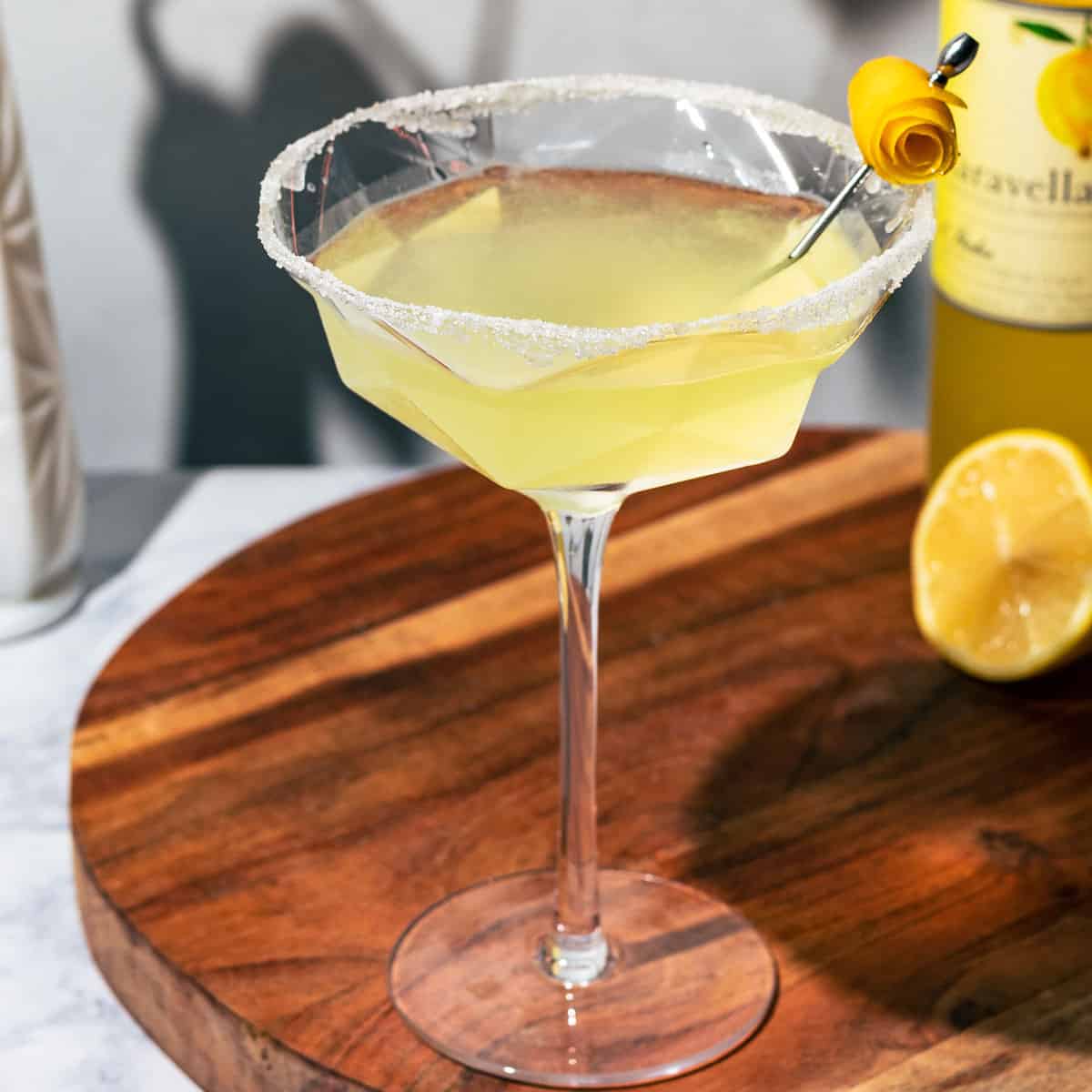
    Limoncello martini on a wood cutting board with a bottle of limoncello and a lemon half in the background.
    Limoncello Martini
    Limoncello is a classic Italian digestif that is often served neat. This three-ingredient recipe for a Limoncello Martini is a fun new way to enjoy one of Italy's most popular liqueurs. 
    Get the recipe
    7
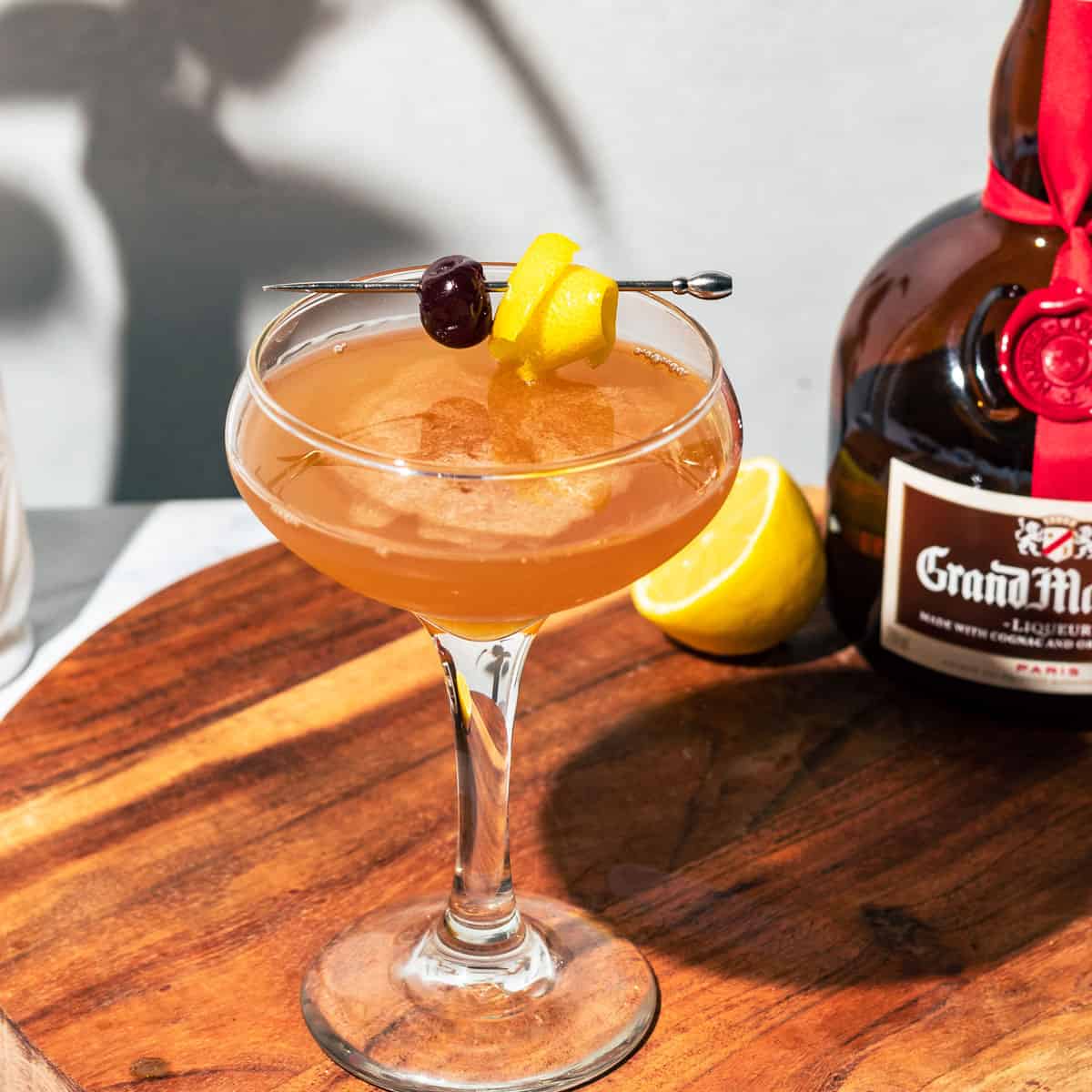
    Cocktail in a coupe glass on a wood surface garnished with a cherry and lemon peel skewer.
    Man O’ War Cocktail
    This well-balanced cocktail includes a couple of digestif liqueurs as ingredients. Made with bourbon whiskey, Grand Marnier, and zesty lemon, this strong cocktail is a great after-dinner drink and it also makes a great cocktail to enjoy for the Kentucky Derby.
    Get the recipe
    8
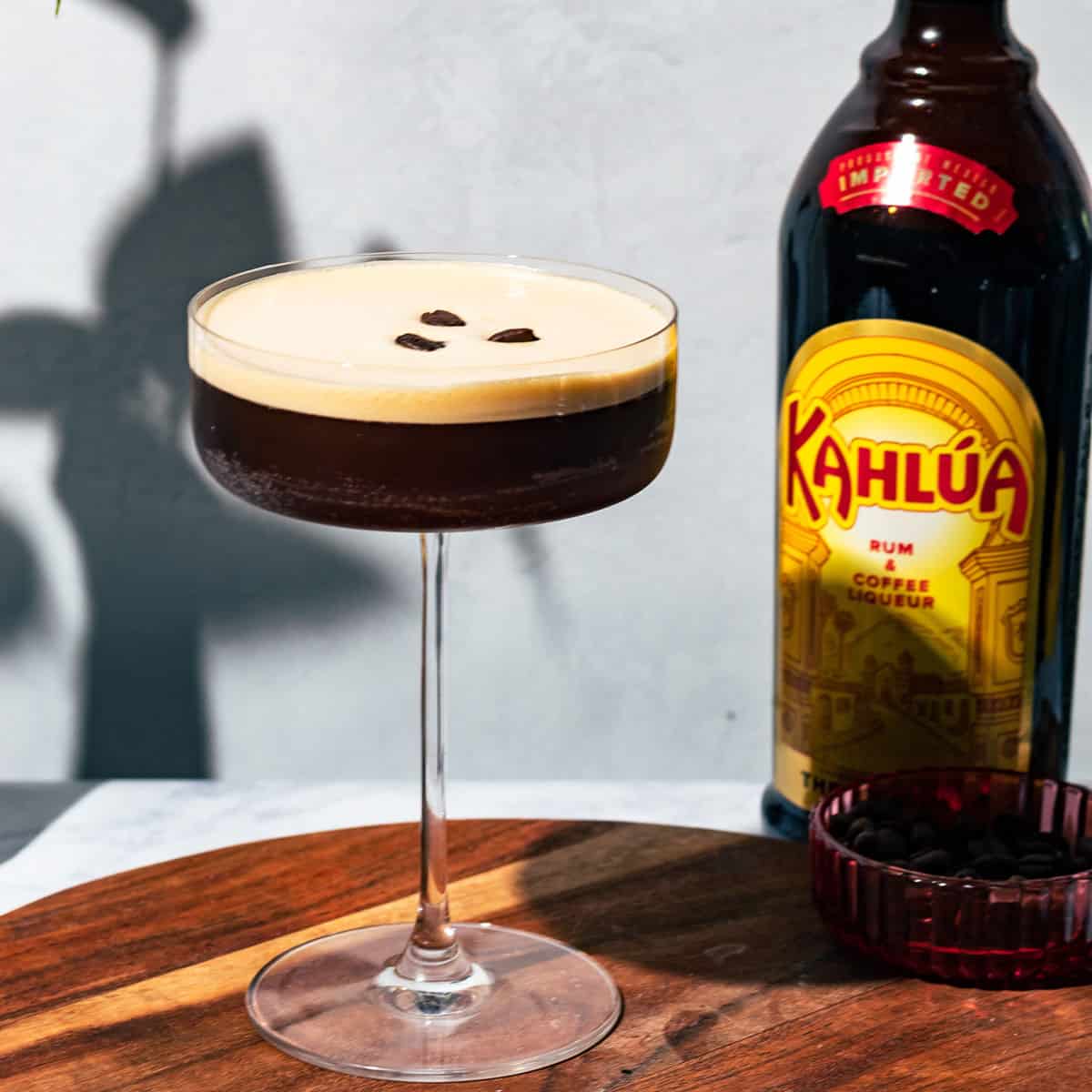
    Espresso martini on a wood surface with a bottle of Kahlua in the background.
    Espresso Martini
    Espresso is very often served at the end of the meal in Italy. Combined with coffee liqueur and vodka, this classic drink is a great way to enjoy that after-dinner espresso. 
    Get the recipe

    Summary (TLDR)

    Chart summarizing the differences between aperitifs and digestifs.

    The chart above shows an overall comparison of the qualities of an aperitif vs. digestif.

    FAQ

    Are aperitifs and digestifs suitable for every meal?

    Enjoying an aperitif and digestif for every meal depends on your desire to consume alcohol. Sure, you could end your day with a pre and post-dinner drink every night!

    I think that aperitifs and digestifs are best saved for memorable meals, like holidays or a dinner party with good friends or family, when you have time to savor the experience and enjoy the company.

    What is an aperitivo?

    An aperitivo is the word for the Italian tradition of a before-dinner drink. The same as an aperitif, aperitivo translates to “appetizer.” Depending on where you are, you may see either aperitif or aperitivo on the menu.

    Are there any non-alcoholic-based aperitifs or digestifs?

    Absolutely! With the many alcohol-free alternatives on the market today, you can make mocktail versions of aperitifs and digestifs easier than ever. Some great options for non-alcoholic aperitifs are Ritual Zero Proof Aperitif, an aperitivo made with fruit and herbs, or Blutul Rosso, a vermouth alternative.

    Combine either of these with seltzer for a light and refreshing drink. For a digestif, Lyre’s Amaretti is similar to a sweet amaretto liquor but without the ABV. If a more herbal digestif is your preference, Gnista Floral Wormwood is aromatic and citrusy and mixes well with tonic for an after-dinner treat.

    More Food and Beverage Guides
    • A bottle of Aperol and Campari sitting on a wooden cutting board with a green plant in the background.
      Aperol vs. Campari – The Ultimate Guide
    • White, rose, and red white in glasses on a shaded tabletop.
      Best Wine Pairings for Charcuterie and Cheese Boards Guide
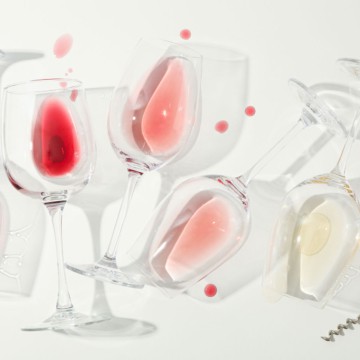
    • Four wine glasses with white, red, and rose wines that are spilled over on their side.
      Best Wine for Italian Food
    • People clinking glasses over a thanksgiving table.
      Best Wines for Thanksgiving

    Did you find this guide helpful?
    Let me know in the comments and share on social media!

    You can also subscribe or follow along on social media including Pinterest, Instagram, TikTok, and Facebook to get all of my latest and greatest.

    More Food & Beverage Guides

    • Three champagne flutes being clinked together.
      Champagne and Sparkling Wine – What’s the Difference? 
    • Hand pressing down on a plunger on a French Press.
      Best French Press Recipe (Full Tutorial with Video)

    Reader Interactions

    Comments

    No Comments

    Leave a Reply Cancel reply

    Your email address will not be published. Required fields are marked *

    Recipe Rating


    This site uses Akismet to reduce spam. Learn how your comment data is processed.

    Primary Sidebar

    Melissa pouring a cocktail into a coupe glass.

    Hi, and welcome! 👋🏻 I’m Melissa, a RD with a Food Science degree living in Pittsburgh, PA. I love sharing all my favorite food and cocktail recipes right here.

    More about me →

    Photo collage of where A Grateful Meal has been featured including the Today Show, Women's Day, Yahoo!, Brit + Co., Redbook, and more.

    Trending Cocktail Recipes

    • Cherry whiskey sour on a wood board with cherries as a garnish.
      Best Cherry Whiskey Amaretto Sour Cocktail
    • Italian mule in a copper mug with ice spilling out onto a wood board and marble counter.
      Italian Mule Cocktail with Amaretto  
    • Blue mojito sitting on a round cutting board with mint and a bottle of blue curacao on the side.
      Blue Curaçao Mojito
    • Amaretto spritz on a wood surface with a bottle of amaretto and lemon halves in the background.
      Easy Amaretto Spritz Cocktail Recipe
    • Margarita on a wood surface garnished with a skewered lychee fruit.
      Lychee Margarita Cocktail Recipe
    • Strawberry martini on a pink surface with a lemon half in the background.
      Easy Strawberry Martini with Vodka
    • Aperol spritz sitting on a wood cutting board with a bottle of Aperol in the background.
      Aperol Spritz Recipe (for One or a Batch)
    • Blueberry martini on a pink surface with a bowl of blueberries and lemons in the background.
      Blueberry Martini

    Footer

    ↑ back to top

    Policies

    • Privacy Policy
    • HIPAA Notice of Privacy Practices
    • Content and Recipe Sharing Policy

    Connect

    • About
    • Contact
    • Subscribe
    • Web Stories
    • Instagram
    • Pinterest
    • TikTok
    • Facebook
    • YouTube

    We are a participant in the Amazon Services LLC Associates Program, an affiliate advertising program designed to provide a means for us to earn fees by linking to Amazon.com and affiliated sites.

    Disclaimer: Information on this website is meant for general use only and are not intended to diagnose, cure, treat or prevent any disease or condition. Readers should consult their healthcare providers prior to making any changes to their lifestyle. The information contained in this site is intended to serve as general information and should be used in conjunction with advice from your healthcare team. It is not a substitute for medical treatment or therapy of any kind. All information contained in this site is subject to copyright and may not be reproduced without permission from the site owner.

    Copyright © 2026 Grateful Meal Nutrition

    • 12