



The pop of a cork and a rush of bubbles can turn any moment into a celebration! If you need clarification about the differences between Champagne and Sparkling wine, I’m here to clear up the confusion. You’ll be able to select the right vino for you and your special occasions as easy as ever!

Jump to:
What is Champagne?
Champagne is a style of sparkling wine made in the appellation of Champagne, in northern France. It was made in the mid to late 16th century. It was created somewhat accidentally when the wine was bottled before its primary fermentation had completed. This resulted in a build-up of carbon dioxide bubbles in the bottles.
A century later, the process of carbonating wine was perfected by adding sugar to the wine to create an intentional secondary fermentation.
Champagne must adhere to a very specific set of rules and regulations to earn its title. Its name is even strictly protected under French law. Factors such as varietals of grapes used, the yield of the harvest, the location of vineyards, and even when it is released for sale are all requirements for this special designation.
Champagne Region
The distinctive features the Champagne region of France lend to not only the characteristics of the wine but also the cultural and historical significance. Located in northeastern France, near Paris, the Champagne region was along major trade routes that allowed for wide distribution and recognition throughout Europe.
Champagne benefits from the climate created by the ocean on one side, and the continent of Europe on the other. The region is plentiful in hills and slopes. This allow for excellent drainage for the vines and a good amount of sun and shade.
The climate in this region has moderate temperatures and some rainfall. This creates a bright minerality and acidity in its grapes.
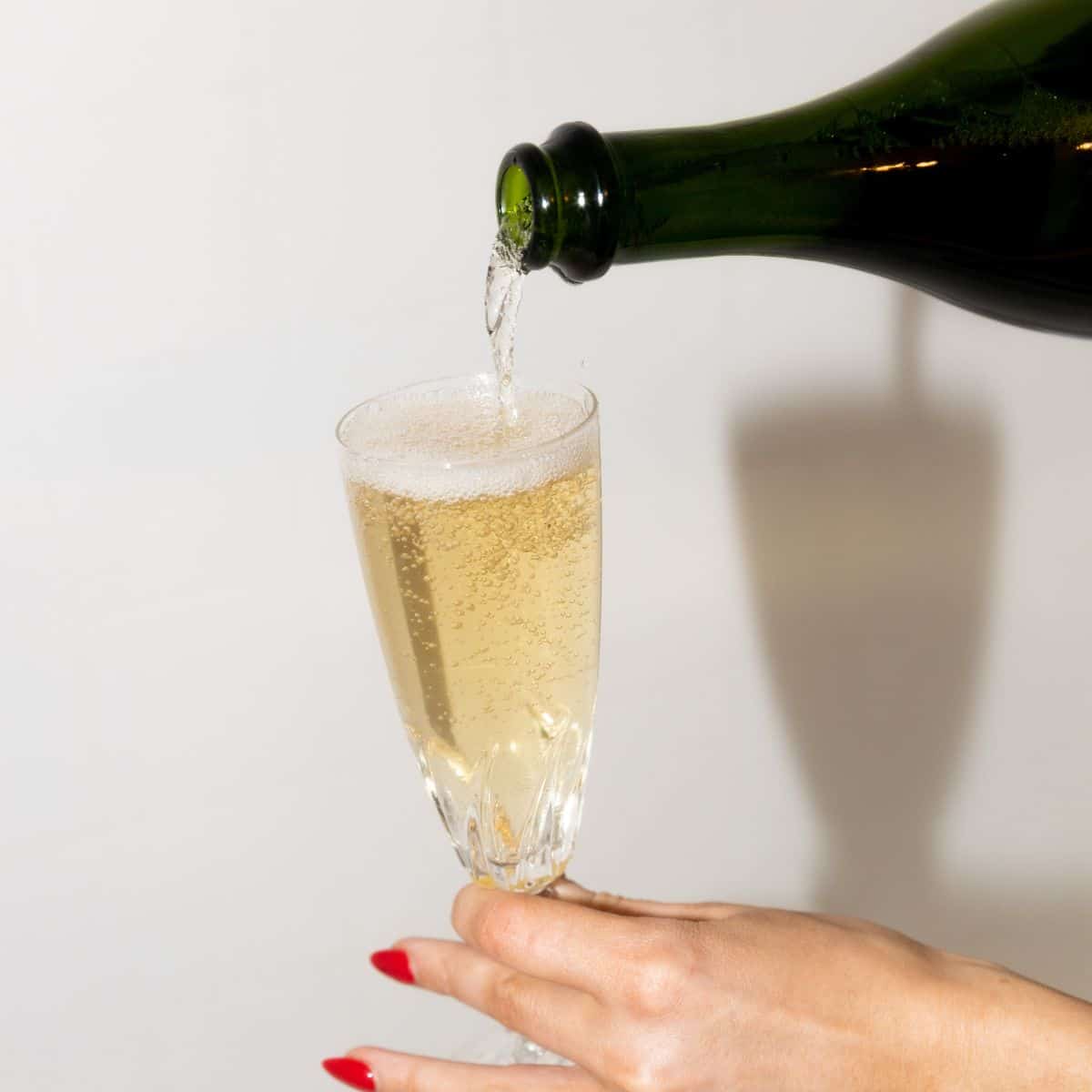
Grape Varieties for Champagne
Champagne is typically made from three grape varieties:
- Chardonnay
- Pinot Noir
- Pinot Meunier
You may note that Pinot Noir and the lesser-known Pinot Meunier grapes are both red grapes, although Champagne is a white wine. During the initial process of pressing the grapes, the skins are removed and only the juice is kept to avoid any color from tainting the toasty-yellow hue of the wine.
There are a select few alternative grapes used to make Champagne depending on the harvest from year to year. These grapes, include Pinot Gris, Pinot Blanc, and Petite Meslier. These grapes may be used to replace a less successfully grown crop.
Champagne Production Process
Besides the importance of the Champagne region in the production, the method by which winemakers produce the famous bubbly is also a big part of what sets it apart from other bubbly wines.
Méthode Champenoise, or Methode Classique, is the traditional method by which all Champagne is made.
Once the primary fermentation occurs and the wine is bottled, a second fermentation takes place. This is where additional yeast, sugar, and wine are added to the bottle and sealed with a cap similar to that on a beer bottle.
The yeast digests the sugar and creates carbon dioxide for a minimum of 15 months, which creates the bubbles that we know and love.
The bottles are stored neck down and continuously turned. This allows the yeast sediment to collect and prevent the wine from getting cloudy. Eventually, the collected sediment is removed by a process called “disgorgement”. This is where the collected residue is frozen in the neck of the bottle, removed, and replaced by more wine.
All in all the Methode Champenoise is very laborious and takes a long time to enjoy the fruits of the labor!
What is Sparkling Wine?
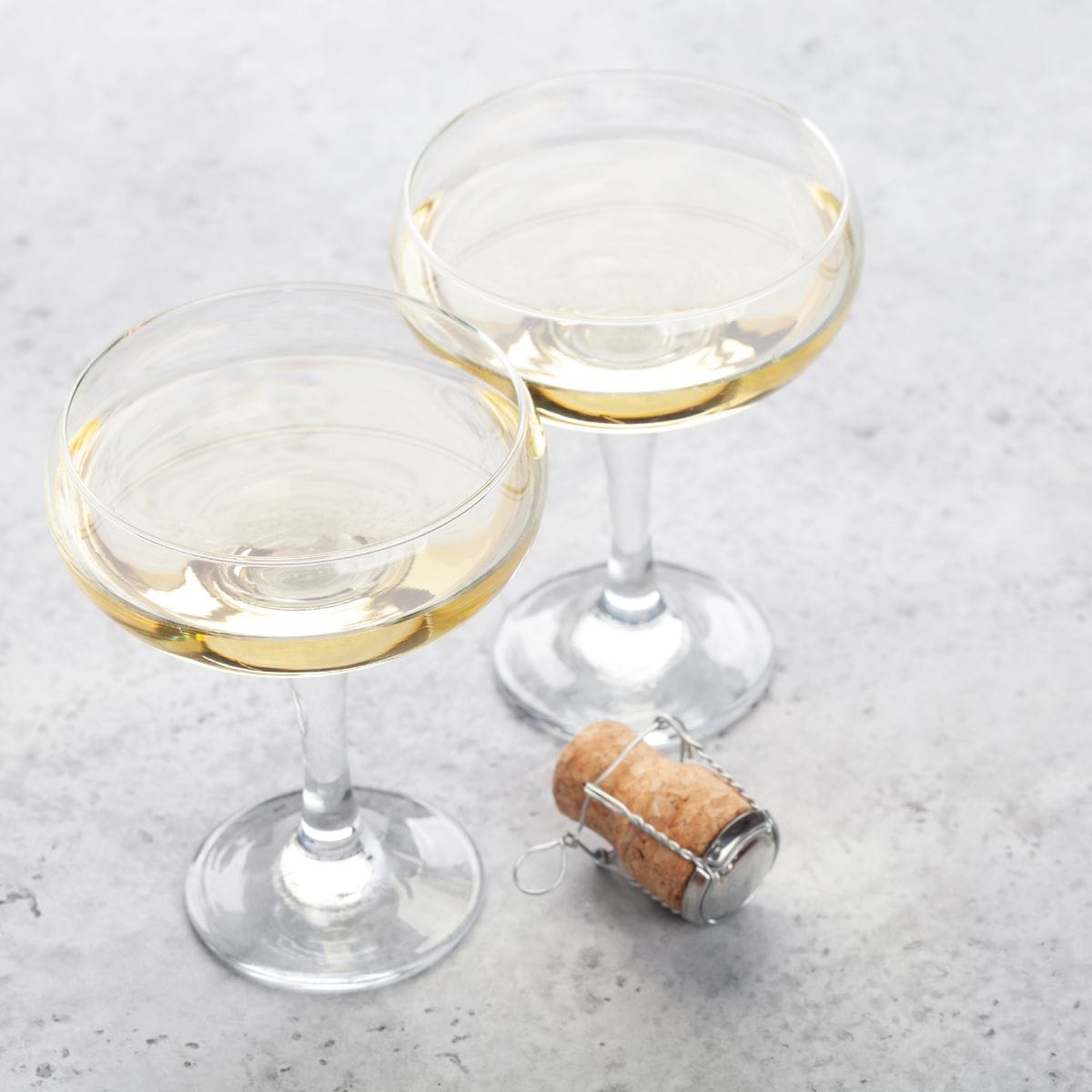
All Champagne is sparkling wine, but not all sparkling wine is Champagne! Sparkling wine can be made from any varietal of grape. It can be white, rose, and even red.
It is produced around the world, using different methods in different countries. To put it simply, any wine that contains carbon dioxide-created bubbles is a Sparkling wine.
Different Types of Sparkling Wines and Regions
You’ve more than likely seen several different styles of Sparkling wines at your favorite wine shop. Prosecco from Italy, Cremant from France, Sekt from Germany, and Cava from Spain are a few of the most commonly found Sparkling wines.
In the United States, most Sparkling wine is produced in California, Oregon, Texas, New York, and Colorado. Production of American sparkling wine has grown so much that it rivals that of Champagne, France!
Cava, Sekt, and Cremant are all produced using the Method Traditionelle, similar to how Champagne is produced.
Prosecco, an Italian Sparkling wine made in the region of Veneto, in Northeastern Italy, is made using the Charmat method (also known as the tank method). This method ferments the wine in a large tank made of stainless steel. Then, transferred into bottles once it is carbonated where it completes its fermentation.
There are several other methods of production for Sparkling wine. These include:
- Ancestral method
- Continuous method
- Transfer method
- Carbonation method (soda)
The carbonation method simply injects carbon dioxide into the wine similarly to how carbonated water is made. Each production method lends to a different type of bubble, aroma, and flavor.
Price Differences
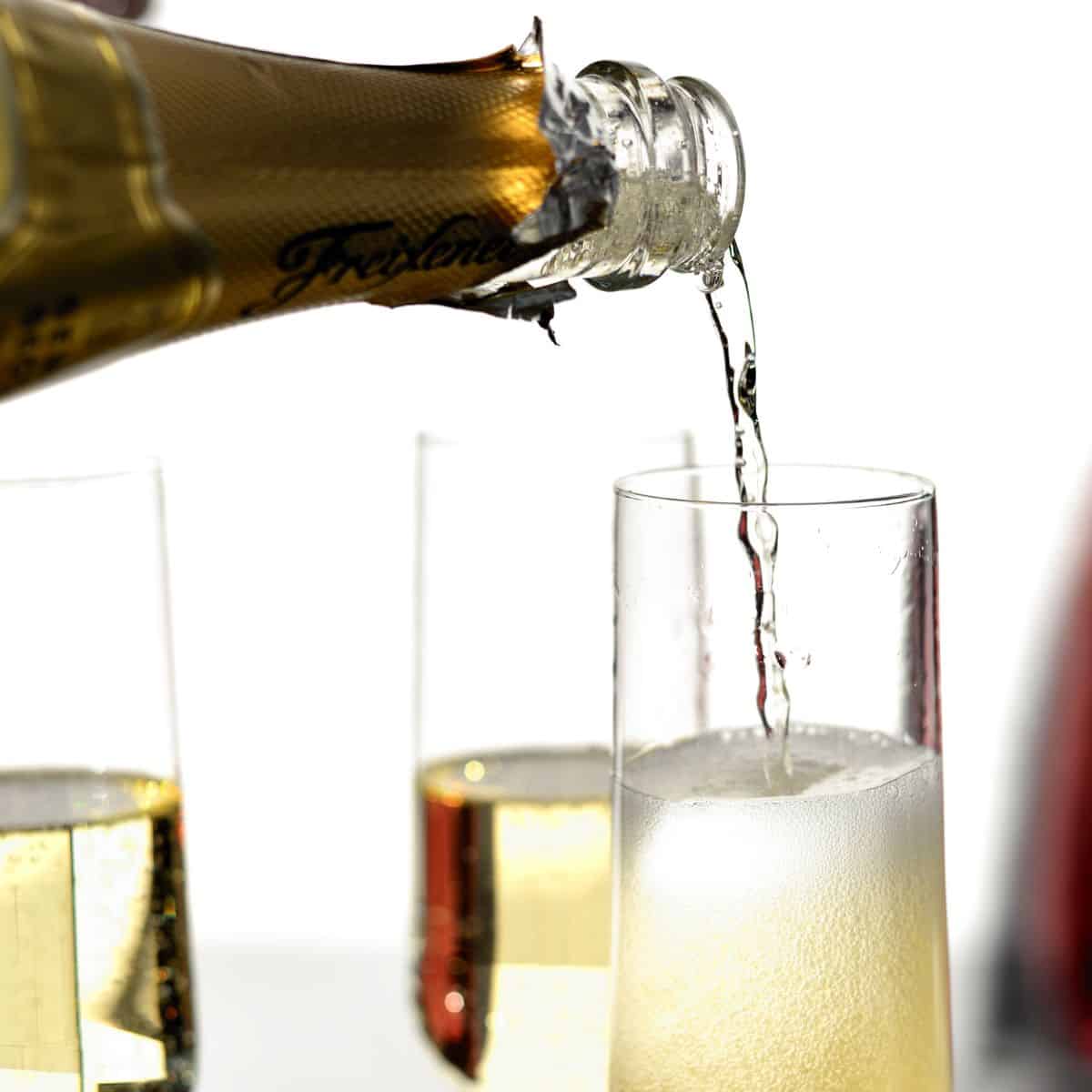
There is a wide range of prices for Champagne and Sparkling wines. The price point of these various styles of Sparkling wines comes from the method by which they are made. This makes Champagne a higher price point due to its infamous reputation, exceptional quality of grapes, specific growing region, and complicated and tedious fermentation process.
Luckily there are plenty of alternative Sparkling wines at a lower price point that are delicious and pair well with your holiday meals and celebrations.
Flavor Differences
Champagne’s fermentation method lends to a more complex flavor, finer bubbles, and a toasty flavor. It is often described as yeasty due to the “lees”, or the dead yeast cells left behind from the yeast’s digestion of sugar. This process is sometimes called “on the lees” or “sur lie” in French.
Other Sparkling wines such as Prosecco have a lighter, fruitier flavor due to the grapes used as well as the fermentation and aging process. There are also different levels of dryness in Sparkling wines.
The dryness is labeled as:
- Extra Brut (driest)
- Brut
- Extra Dry
- Sec
- Demi-Sec (sweetest)
The levels are determined by the amount of sugar added during fermentation. Extra-Brut is the driest, and Demi-Sec is the sweetest.
When to Choose Champagne vs. Sparkling Wine
When choosing which wines to drink for your upcoming gatherings, it should be a little easier now to decide between Champagne and Sparkling wine.
With a higher price point, more nuanced flavors, and fine bubbles, Champagne is ideal for more formal events or a special occasion. Avoid using it in casual gatherings and brunches where you may even mix your bubbly with juice.
If you’re making cocktails go with a Sparkling wine. Reach for the Prosecco to add some bright fruitiness and acidity to your mixes. Moscato, a fruity and sweet Italian Sparkling wine with a low alcohol content, is also a great option to pair with your cocktails.
I always say in my cocktail recipes that call for sparkling wine or champagne to go with a sparkling wine and save the champagne to drink on its own.
No matter what the occasion, there is an ideal Sparkling wine out there for you. If you’re looking to impress your guests with the finest, spring for some bottles of French Champagne for your midnight toast.
However, there are plenty of Sparkling wines at a lower price point that are tasty, effervescent, and pair well with holiday meals, cocktails, and friends. Enjoy!
Did you find this guide helpful?
Let me know in the comments and share on social media!
You can also subscribe or follow along on social media including Pinterest, Instagram, TikTok, and Facebook to get all of my latest and greatest.


Comments
No Comments